
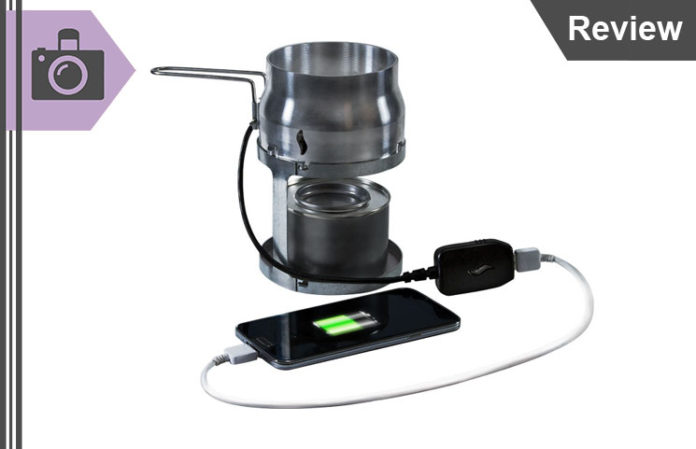
A candle powered electricity generator is a real kind of small thermoelectric setup: heat from the candle creates a temperature difference across a module, which produces electricity. The documented examples include a tea-candle artwork powering an LED and a research TEG intended for small sensors or wearable electronics.
Disclosure: This page may contain links to sellers.
| Power principle | Heat-to-electricity conversion through a temperature difference |
| Documented examples | An LED artwork and a research device intended for small sensors and wearables |
| What creates the output | A hot side and a cooler side of the thermoelectric module |
| AC power | Requires added conversion equipment from the module’s DC output |
| Product Page | TEGmart generator range |
How does a candle turn heat into electricity?
The useful term to know is thermoelectric generator, often shortened to TEG. A TEG is a solid-state device with no moving parts. When one side is hotter than the other, charge carriers move through the material and create an electrical current.
A TEG directly converts heat flow created by a temperature difference. Optica’s TEG overview explains that electrons flow from the hotter portion toward the colder portion when a thermoelectric material has that temperature gradient.
A candle can supply the hot side. A TEG needs a temperature difference between its hot and cool sides.
What can a candle powered electricity generator actually run?
Artist Chris Combs describes a tea-candle-powered work using a thermoelectric element and boost converter to power a candle LED. Optica reported a 2023 experimental solar-and-radiative-cooling TEG intended for small sensors and wearable electronics; its reported peak output was 166.2 mV under clear daytime conditions. Those examples illustrate LED and small-sensor applications.
The evidence lists separately rated wood-stove TEG systems, including 15- through 100-watt models. TEGmart lists air-cooled 15-, 30-, and 45-watt wood-stove models, alongside water-cooled 50- and 100-watt models. Those listed ratings are for TEGmart’s wood-stove systems.
| Search term or goal | What it means in practice |
|---|---|
| Candle USB charger | Candle heat-to-electricity examples in the evidence include an LED artwork |
| Thermoelectric generator | A module that needs a temperature difference across its two sides |
| 100-watt TEG | A listed TEGmart wood-stove system rating |
| 1,000-watt TEG | The sources cited here provide no 1,000-watt candle-powered TEG example |
| Home backup power | Compare dedicated portable-power and generator options instead |
If you are sizing backup power for appliances rather than a light or small USB device, start with the appliance question in 1000-watt refrigerator guide.
How many BTUs does a candle produce?
For a buying or DIY decision, ask the product maker for the candle specification and the generator’s stated output under that heat source.
Can you make one yourself?
The evidence documents a candle-powered fan project using a thermoelectric element; it does not provide a complete DIY build procedure. The EE Journal describes that project and notes a 68°C temperature difference for the module it discussed.
Can you run a TEG indoors or all night?
A thermoelectric module has no moving parts, but the heat source still determines the room setup. Use only a heat source and enclosure whose instructions permit the setting you have in mind, keep the module within its specified temperature range, and keep the setup on a stable heat-safe surface. If overnight operation matters, ask the maker for the stated unattended-use guidance before ordering.
For indoor electricity without a flame, a battery power station, rechargeable light, or grid-connected outlet is a more direct category to compare. You can also browse survival lighting options when the immediate goal is light during an outage.
Can you plug a generator into a wall outlet?
The thermoelectric reference explains that equipment designed for AC mains power needs an inverter after the module’s DC output, which adds cost and complexity. The evidence says AC equipment requires an inverter after a thermoelectric module’s DC output; verify the manufacturer’s rated output and connector for the intended device.
What are the tradeoffs against other ways to make electricity?
The appeal of a thermoelectric generator is its simple, solid-state build and the ability to make use of an existing heat difference. Optica describes TEGs as devices that generate electricity without moving parts. Output depends on the temperature difference; the cited examples involve an LED artwork and a research device for small sensors or wearables.
| Option | Best fit | What to compare |
|---|---|---|
| Candle TEG | Documented candle-powered LED artwork | Module temperature range, heat sink, converter, connector |
| Wood-stove TEG | Using an existing high-heat stove | Rated output, cooling method, installation needs |
| Solar TEG research design | Small remote sensors and wearables | Temperature conditions and tested output |
| Portable battery power | Planned charging and outage readiness | Stored watt-hours, ports, recharge options |
| Hydroelectric systems | Sites with a suitable moving-water resource | Site conditions and system design |
For a wider look at a water-powered route, see hydroelectricity lessons. “Cleanest” depends on the energy source, system materials, installation, and what you are trying to power, so compare the complete setup rather than a single label.
What do thermoelectric generators cost?
Prices below were shown on October 27, 2026; check the checkout for today’s price. These are wood-stove TEG listings, included to show the price range of rated thermoelectric systems rather than to suggest that a candle charger has the same output.
| Listed system | Cooling | Shown sale price |
|---|---|---|
| 15-watt stove TEG | Air cooled | $231.99 |
| 30-watt stove TEG | Air cooled | $339.99 |
| 45-watt stove TEG | Air cooled | $521.99 |
| 50-watt stove TEG | Water cooled | $445.99 |
| 100-watt stove TEG | Water cooled | $717.99 sale price |
TEGmart also marked the 100-watt listing out of stock when its page displayed those prices. For a candle-oriented purchase, check the product page for the actual source of heat, rated output, included cable or converter, delivery terms, and return terms before payment.
Is a candle powered electricity generator legit?
The underlying technology is legitimate: a temperature difference across a thermoelectric material can create an electric current. The Optics Express paper behind Optica’s report describes a demonstrated thermoelectric design that combined solar heating and radiative cooling, with recorded voltages during clear daytime, cloudy daytime, and clear nighttime conditions.
The smart check is whether an offer matches the job you need done. A credible product page should identify the heat source, rated output, expected load, temperature limits, power connector, and the company’s delivery and return terms. Keep the order confirmation and product instructions together with the rest of your preparedness gear.
Before you order or build
- Match the generator’s rated output to the device you want to power.
- Confirm the heat source, cooling arrangement, and maximum temperature rating.
- Check whether your device needs DC directly or an inverter for AC equipment.
- Ask the seller for shipping, cancellation, and return terms before checkout.
- For phone-ready backup power, compare it with a dedicated charging option such as Xtra Boost charger or E-Charge Wallet charger.
For more product-specific context, read the Stower candle charger review.
By InfinitePowerSolutions.com Technology Desk